Inflationary headwinds have hampered retail sales over the last few years and while those headwinds show signs of abating, the ever-present ‘winds of change’ continue to impact high-street stores and foot traffic. Yes, we’re talking about the internet and the rise (and rise) of e-commerce. According to the US Census Bureau and Federal Reserve, 96.1% of retail transactions happened in-store in 2000. This is back when Amazon had a revenue figure of around US$2.76 billion. Fast-forward to 2025 and the percentage of in-store sales had reduced to 81.6%, while Amazon’s revenue grew to US$717 billion.
Bricks and mortar stores have seen their spend percentage decrease from 96.1% to 81.6%. At the same time, e-commerce sales have risen to 18.4%. That’s almost $1 in every $5 being spent online. Of course, many retailers will have sales from both keyboard customers and in-real-life consumers. But many won’t.
So what do physical stores do? Many simply shut up shop. Others fight back and use every trick at their disposal to entice and engage customers. That means making use of physical characteristics that can't be replicated online to design a visitor experience that can’t be replicated oline. For example, there’s ‘scent marketing’, which works by pumping a particular scent to seduce the senses of shoppers. Apple stores apparently use ‘green apples and mint’ to make you want the latest iPhone.
There’s a myriad of other tools at a savvy retailer's disposal, too. Then there’s the less obvious. We’d throw canopies into that category. But just because canopies might be less obvious doesn’t mean they’ll be less effective. Indeed, in the right location the use of canopies might even have a multiplier effect, helping business nearby as well as the business with the canopy.
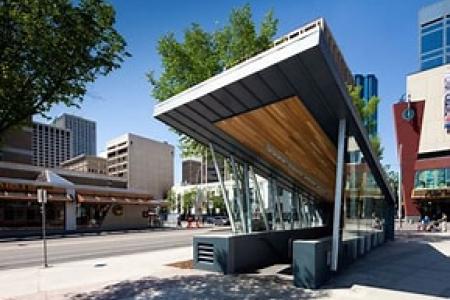
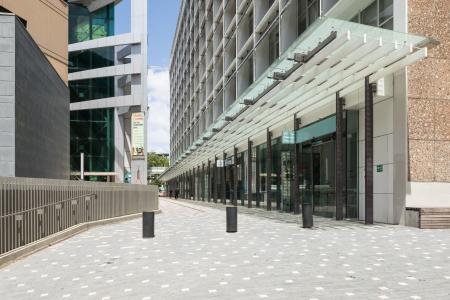
But what is a canopy? The commonly accepted definition of a canopy is a type of structure (fabric, metal or glass) or overhead roof which provides shelter for anyone underneath. So think of bus stops and train station platforms.
As part of a carefully planned customer experience the humble canopy offers a variety of benefits, beginning with the immediately obvious. Providing visitors with shelter from rain, snow or sunshine is important. No-one feels comfortable shopping when dripping wet or dripping with sweat. Canopies extend a welcoming arm to visitors, under which they can race when exiting from their transport, providing an all-important space for composing oneself before entering a building.
This is where the less obvious benefits of canopies come into play. That moment of decompression serves a psychological service, helping get the individual ready for entering the store and transitioning from ‘traveling’ to ‘shopping’. It helps the visitor move from ‘rush’ to ‘relaxed’, with a relaxed visitor certainly more likely to enjoy the experience and spend their hard earned money.
Linked to the relaxation effect of canopies is an increase in dwell time, even if it is outside the building, looking at a window display. A 10% increase in dwell-time in-store is known to boost sales by up to 5% and while there’s no readily available information available that quantifies the impact of a canopy, it’s certainly reasonable to hypothesise that where they help unhurry a visitor, the same link between dwell time and increased propensity to purchase comes into play. Added to this is the knock on effect for nearby retailers if canopies are joined and the visitor is able to casually stroll from one store to another (yes - like a shopping mall, just with more fresh air and daylight).
Incorporating lighting into canopies has benefits too. Apart from the signalling to the world that the store is open and drawing in eager shoppers, lighting can also help shoppers feel safer, keeping them out of the shadows where bad things lurk. As before, this has a relaxation effect and unhurries the experience, creating a more conducive mindset for spending.
The threats don’t always come from dark places, of course. In many Cities, the perils of shopping are more closely linked to the weather and canopies are being used not just for protection against the weather, but to actually combat it. Many of Tokyo’s shopping streets now use misting canopies to cool down the air and shoppers, so they can go about their retail therapy without the need of constant hydration therapy.
The result is the same as expected by now. Less rush, more relaxation, and more retail spending. Yet it’s not all about a prevailing sense of calm and security. Canopies also act as a billboard and much like an illuminated canopy will attract shoppers at nighttime, a fetchingly branded one will during daytime. Given the average person is exposed to up to 10,000 marketing messages a day, any opportunity to stand out is needed and a canopy provides just that.
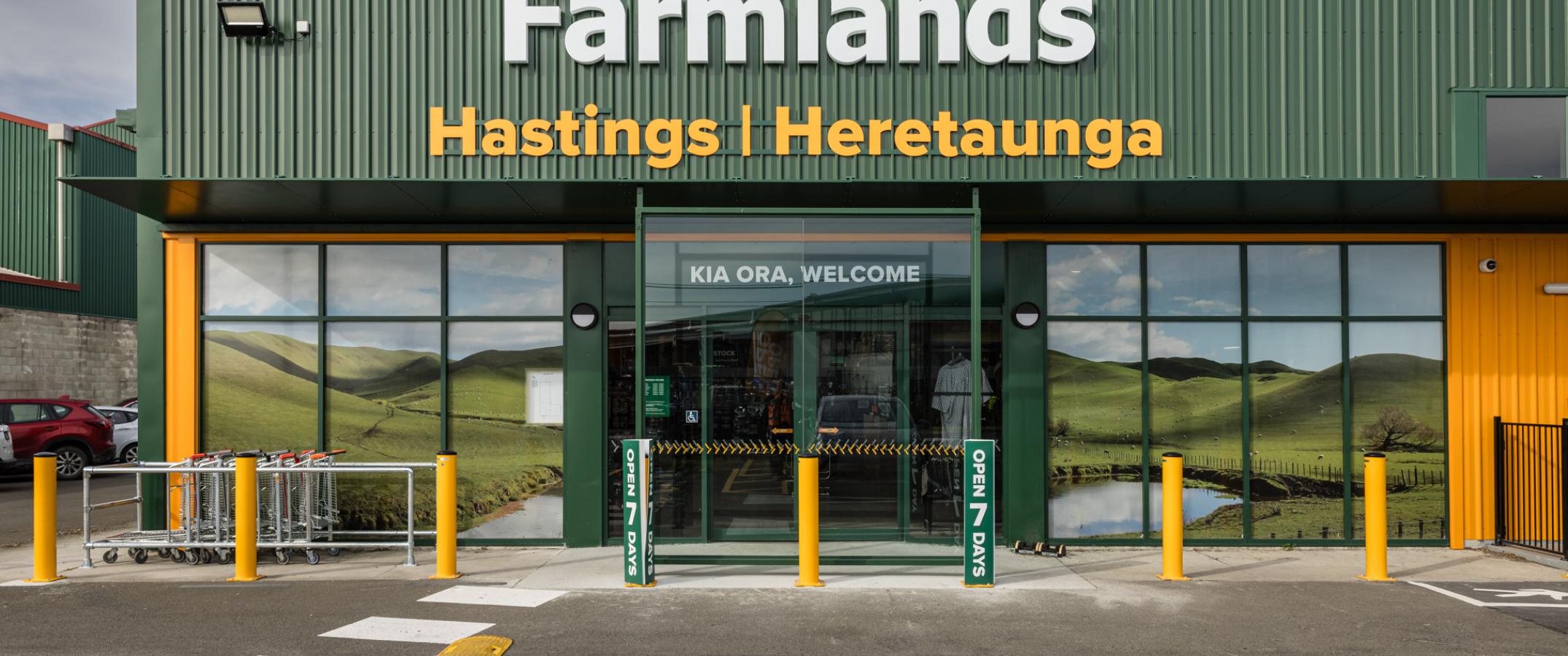
Indeed, not only does branding extend outwards with a canopy, but so does the usable space for the retailer. Depending on local rules, the canopy becomes a safe place under which products can be placed. Or seating for hospitality businesses. Every extra square metre in retail comes laden with potential and a canopy helps grow those square metres.
So what does this mean for a savvy retailer and what will they be left with should they choose to add a canopy? Well, considering all of the above, they might just be left with a queue outside their premises.…and that queue can shelter from the elements under the canopy.
More seriously though, a canopy can help improve the visitor experience tremendously, in many seen and unseen ways. For a shopping precinct and connected buildings, the impact is magnified and it creates an experience where visitors feel safer, less hurried, and can enjoy themselves.
The best bit? There’s a proven, modular canopy solution that does all of the above. Ask us about it if you like.